Two Hours at the Library
After a morning of errands, I took myself to the Central Library, to browse otherwise inaccessible photography books. I was reminded, as I always am upon setting foot in one of our many public libraries, that these are among the most important public works. And, even better, these really are quite well done here in Singapore. Certainly not inevitable, and therefore all the more remarkable.
An old woman, curly gray hair, face puckered, was hunched over (a permanent posture?) taking notes from one of many books, her selection walling her in.
I find myself facing a rather imposing set of shelves. It is quiet. Only the distant rustling of paper, the occasional steps, and the hum of the warm lights. In the middle of the busy city, just me and this row of books.
I grazed the shelves, my attention drawn here to a striking title, there to a vaguely familiar name. I judge books by their covers. Some, I note down quickly in my phone.
Zero Mostel reads a book is a curious little, well, book. The publishers readily admit to having published it “for the fun of it”. The introduction describes the photographs as “eloquent” – surprised, I agree.
Walker Evans’s Many Are Called is accompanied by some fine writing. The idea of a secret camera gives me pause. Later, as I walk around, it strikes me that the social compact surrounding being photographed in public may well be city-specific. Here, I feel uneasy – I try to take a snap of someone as part of a larger composition, but feel his eyes on me (I confirm this later) and walk away, wondering if I’d pretend not to speak English if he confronted me.
I sit with a massive retrospective of Edwin Smith, an architectural and “topographical” photographer. He was critical of the shift to colour, claiming that light and shadow were antithetical to colour. Some of his photographs seem bland by today’s standards. In fact, taken out of context, many photographs by these pioneers may be passed over as rather boring, almost rudimentary, the fare of a beginner with his first camera. Perhaps because we do not know how hard it was to take these photos, in our age of ubiquitous megapixels and automatic everything. I try to resist this prejudice, to retrain my eyes. I think it works, a little. The thought recurs as I step through a few other books of earlier photography.
I savour Atget’s description of his photographs as “documents”. The photographer as technician, custodian. Edwin Smith had tried to identify as an artist for most of his life, only accepting (resigning himself to?) the title of “photographer” later in life.
I go through a few more in quick succession. Some autobiographical, some reportage, some street. Much of the meaning behind these books of photographs lies in their subjects – these books demonstrate that at least one purpose of photography is to elicit the truth of the subject, to disclose it to another who is not present. They serve as a record, a representation, a memorial, a correction, a testimony, a witness.
I think about the inevitable link between technique and meaning. I wonder what camera Andreas Gursky uses.
I feel the urge to photograph. I leave, and observe the light bounding off polished tiles.
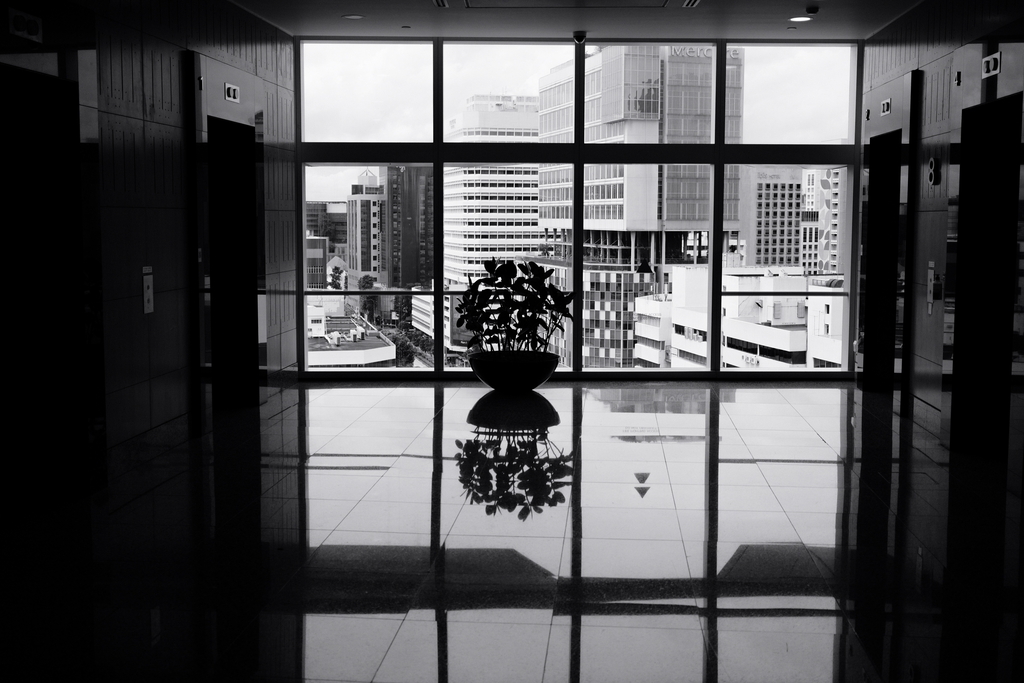
Downstairs, I start to walk the circumference of the building. I’m not quite warmed up, and the shots come slow. I stick with monochrome, in homage to Edwin Smith.
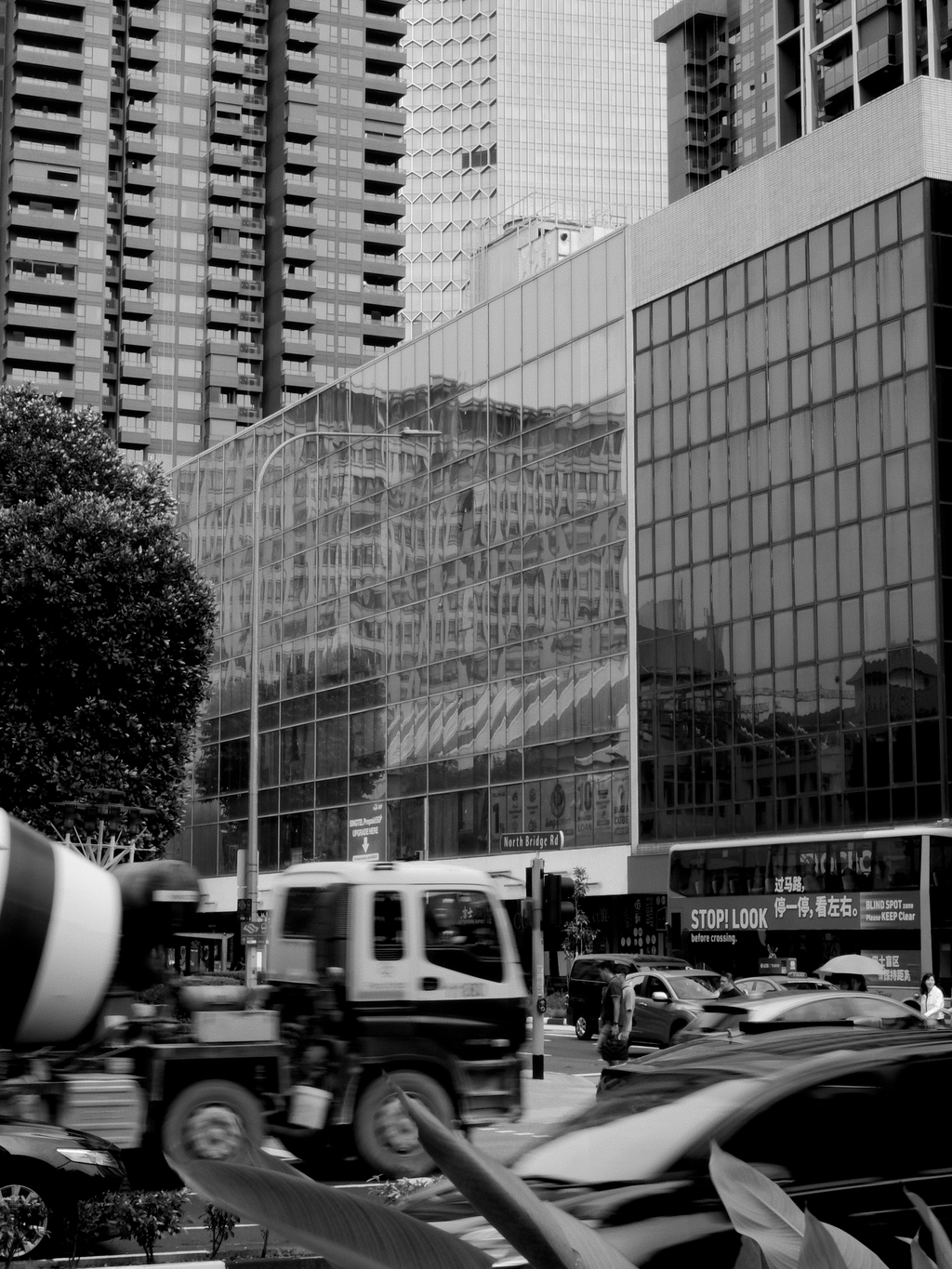
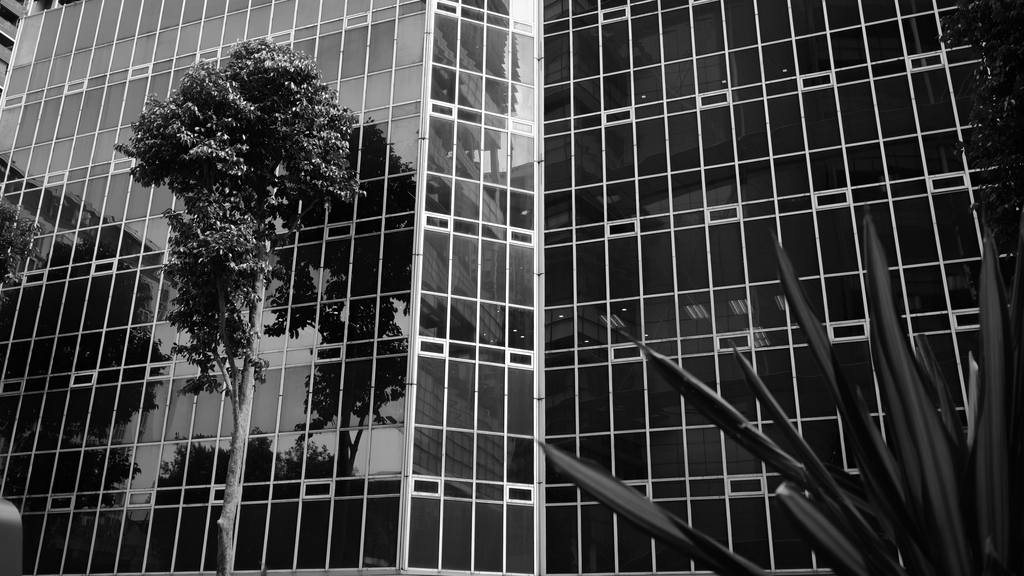
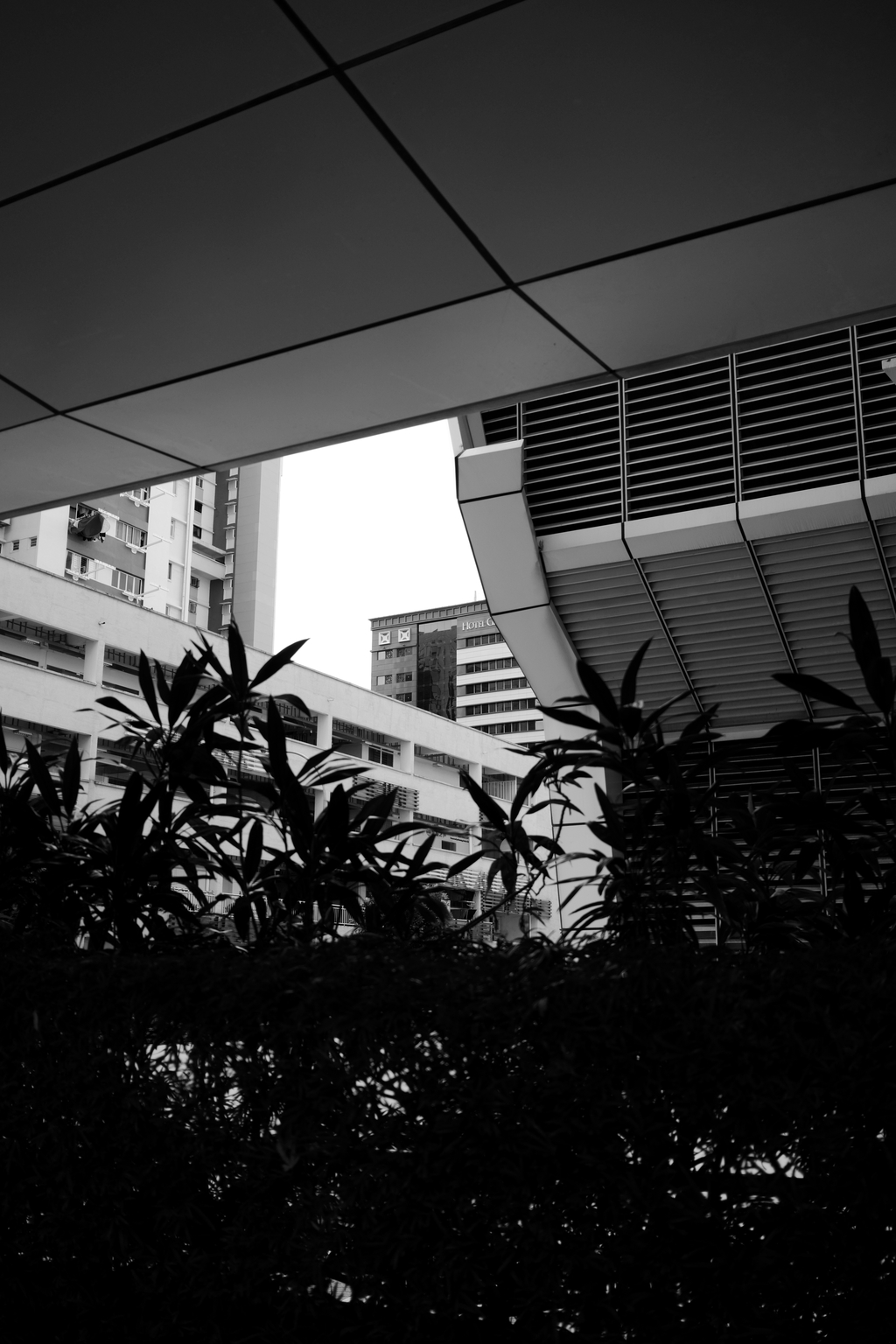
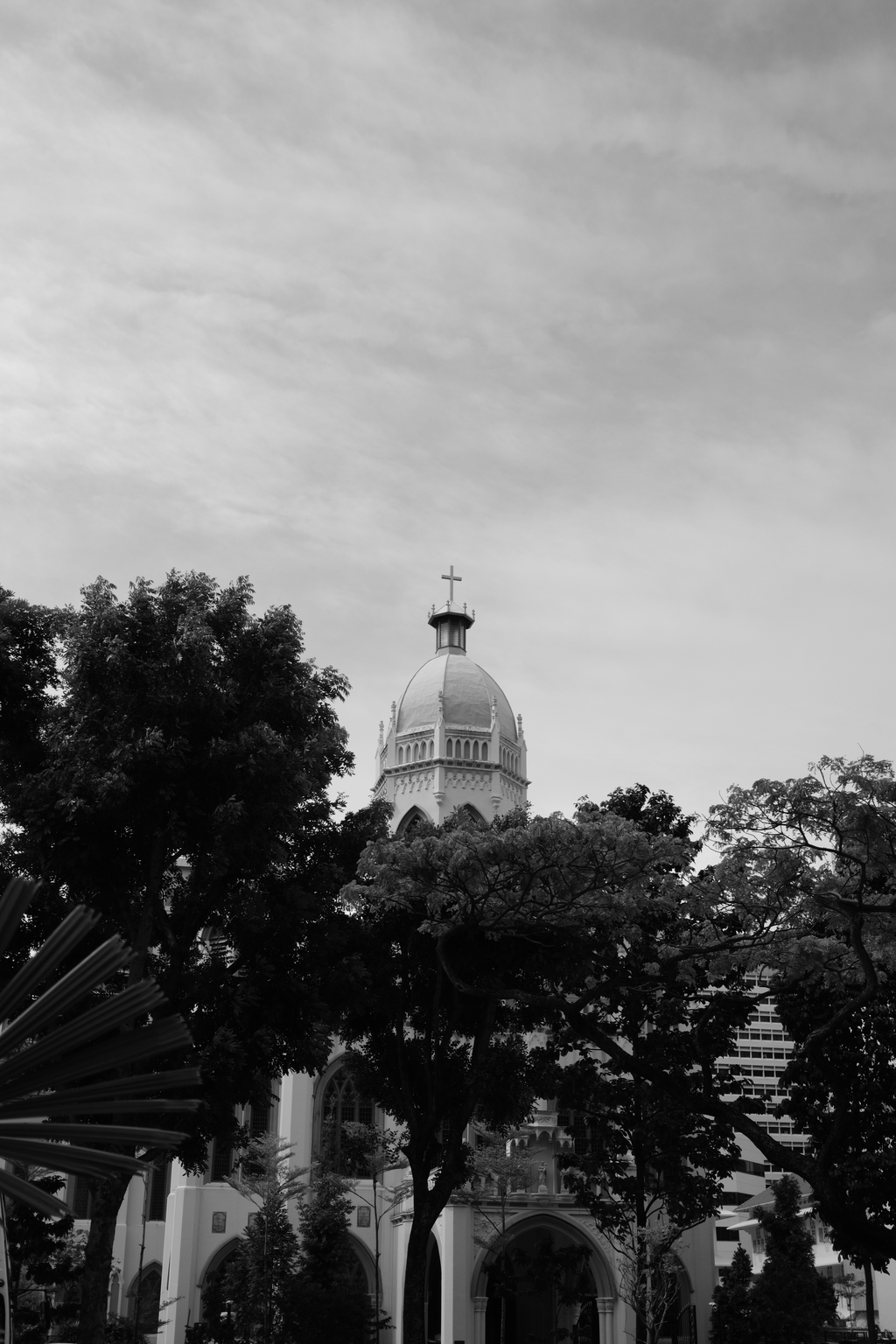
The pickings are slim today, but as an exercise just after the library, I cannot complain – to expose one’s sensibilities to other work, and then to try to exercise the mind’s eye.
Back to work tomorrow.